Version-verified guide
Valheim Food & Meals Guide — Food Slots, Buffs, Cooking and Mead
How Valheim food works — the three food slots, health/stamina/eitr buffs, cooking stations, the best meals by biome and what every mead does.
By Valheim Field Guide Editorial Team
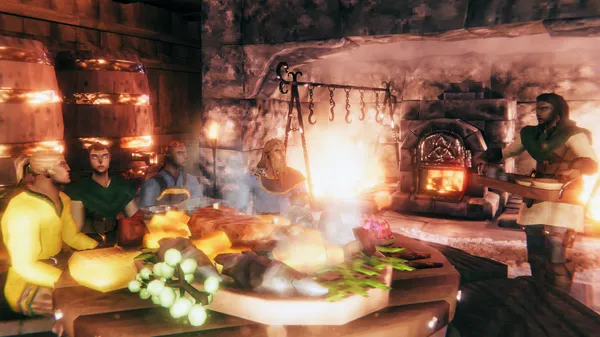
How food actually works
Food is one of the biggest power spikes in Valheim and it is easy to ignore:
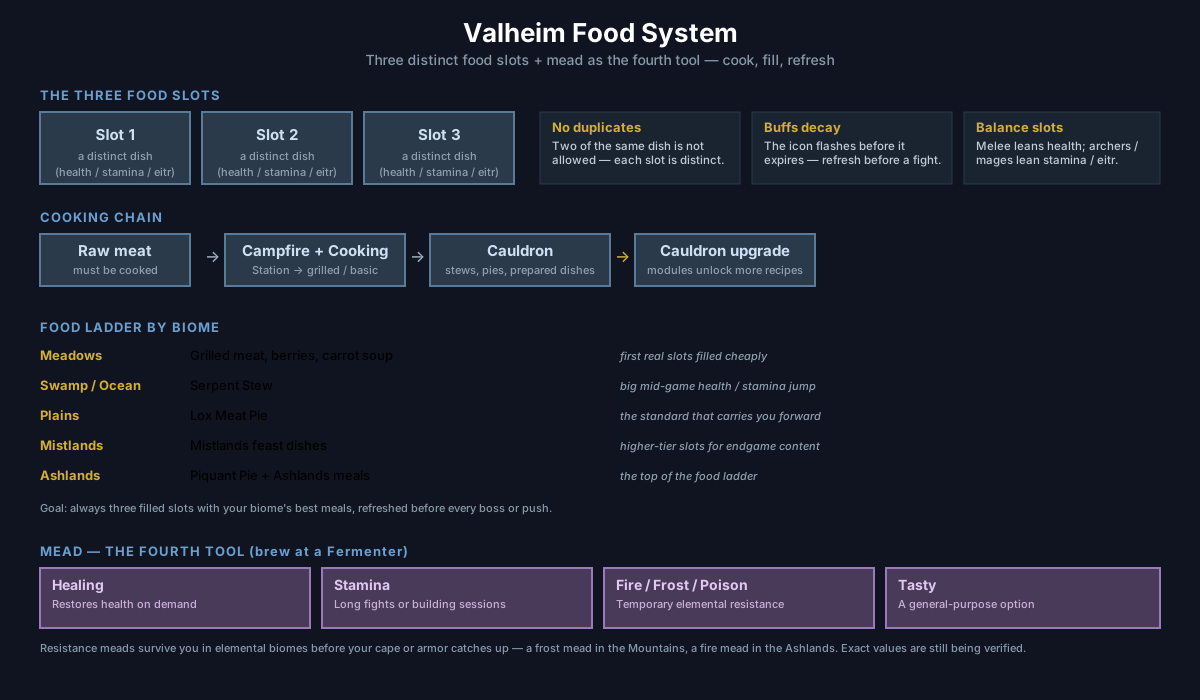
- Three food slots, three different dishes. You cannot stack two of the same food; each slot is a distinct meal and each contributes independently.
- Food raises health, stamina and eitr. Your un-fed base is tiny, so the right three meals dramatically raise your effective survivability and stamina.
- Buffs decay. Food icons flash before they expire; refresh them before a fight, not during one.
- Balance your slots. Meals lean health, stamina or balanced. Melee builds favour health, archers and dodgers favour stamina, and mage builds need eitr.
Confirmed food values (valheim.wiki, 1.0)
Health and stamina are the maximum-bonus values a dish grants for its duration; the buff decays over time (see the decay formula below).
| Biome | Meal | Health | Stamina | Duration |
|---|---|---|---|---|
| Meadows | Raspberries | 7 | 20 | 10:00 |
| Meadows | Cooked deer meat | 35 | 12 | 20:00 |
| Meadows | Cooked boar meat | 30 | 10 | 20:00 |
| Black Forest | Carrot soup | 15 | 45 | 25:00 |
| Black Forest | Deer stew | 45 | 15 | 25:00 |
| Swamp | Cooked fish | 45 | 15 | 20:00 |
| Swamp | Sausages | 55 | 18 | 25:00 |
| Swamp | Cooked serpent meat | 70 | 23 | 25:00 |
| Swamp | Serpent stew | 80 | 26 | 30:00 |
| Mountain | Cooked wolf meat | 45 | 15 | 20:00 |
| Mountain | Wolf skewer | 65 | 21 | 25:00 |
| Mountain | Onion soup | 20 | 60 | 20:00 |
| Plains | Cooked lox meat | 50 | 16 | 20:00 |
| Plains | Lox meat pie | 75 | 24 | 30:00 |
| Plains | Blood pudding | 25 | 75 | 30:00 |
| Mistlands | Misthare supreme | 85 | 28 | 25:00 |
| Mistlands | Fish ‘n’ bread | 30 | 90 | 30:00 |
| Ashlands | Cooked bonemaw meat | 90 | 30 | 25:00 |
| Ashlands | Mashed meat | 100 | 34 | 25:00 |
| Ashlands | Piquant pie | 105 | 35 | 30:00 |
Eitr foods (Mistlands / Ashlands — the mage build’s core):
| Meal | Health | Stamina | Eitr | Duration |
|---|---|---|---|---|
| Stuffed mushroom | 25 | 12 | 75 | 25:00 |
| Yggdrasil porridge | 27 | 13 | 80 | 25:00 |
| Seeker aspic | 28 | 14 | 85 | 30:00 |
| Sizzling berry broth | 28 | 14 | 85 | 25:00 |
| Sparkling shroomshake | 30 | 15 | 90 | 25:00 |
| Marinated greens | 32 | 16 | 95 | 30:00 |
Food buffs decay slowly at first and rapidly at the end. The exact decay formula (from valheim.wiki): CurrentBonus = BaseBonus × (RemainingDuration / BaseDuration)^0.3 — at half the remaining duration you still have roughly 81% of the original bonus, at a quarter about 66%. This is why refreshing early (while the icon is not yet flashing) costs less in total food than letting a buff die. Full recipes, per-tick healing and every remaining dish: valheim.wiki /w/Food.
Cooking: from raw to meal
- Raw meat must be cooked. Cook it on a Campfire with a Cooking Station; eating raw food gives poor or harmful results.
- Cauldron unlocks real meals. Stews, pies and prepared dishes need a Cauldron, and upgrading the Cauldron with its modules unlocks more recipes.
- Plan your food chain around your station. Which upgrade piece belongs to the Cauldron and the rest: workstations guide.
Best meals by biome
| Stage | Meal direction | What it is for |
|---|---|---|
| Meadows | Grilled meat, berries, carrot soup | First real food slots filled cheaply |
| Swamp / Ocean | Serpent Stew | A big mid-game health/stamina jump from the Serpent |
| Plains | Lox Meat Pie | The standard Plains meal that carries you forward |
| Mistlands | Mistlands feast dishes | Higher-tier slots for endgame content |
| Ashlands | Piquant Pie and the Ashlands meals | The top of the food ladder |
The progression goal is simple: always have three filled slots with the best meals your current biome offers, and refresh them before every boss or dangerous push.
Mead: the fourth tool
Meads are separate consumables that solve specific problems. Brew them at a Fermenter:
| Mead type | What it does |
|---|---|
| Healing | Restores health on demand |
| Stamina | Restores stamina for long fights or building |
| Fire / Frost / Poison resistance | Temporary resistance to one elemental hazard |
| Tasty | A general-purpose option |
Resistance meads are how you survive elemental biomes before your cape or armor catches up — a frost mead buys time in the Mountains, a fire mead in the Ashlands. Every mead, grouped by role and when to brew which: mead complete guide.
Putting it together
- Cook everything you eat; never run on raw food.
- Fill all three slots with distinct, biome-appropriate meals.
- Refresh before a fight, not during it.
- Keep a healing and a resistance mead on hand for emergencies and new biomes.
Food multiplies the value of your gear — health from meals and armor from equipment stack, so treat both as one defense budget: armor sets.
Related
- The resistances that food and mead only partly cover: capes and resistances
- Stamina management in combat: combat basics
- Which weapon to fight with while well fed: weapon tier list
Frequently asked questions
- How many food slots do I have?
- Three. You can have three different foods active at once, but you cannot eat two of the same food — each slot must be a distinct dish. Each food contributes its own health, stamina and (later) eitr bonus independently.
- What happens if I eat nothing?
- You fall back to a small base pool with no food buffs, which makes even normal enemies dangerous. Food is a core part of your defense budget, not a luxury — a good meal effectively raises your health and stamina ceiling.
- When do I need to eat again?
- Food buffs decay over time. The food icon flashes before it expires — eat the same dish again to refresh it before it drops, ideally before a boss fight or a dangerous push rather than mid-combat.
Related guides
- Valheim Damage Types Guide — Every Physical and Elemental Damage Source Explained
Every Valheim damage type — blunt, slash, pierce, fire, frost, poison, spirit, lightning — what each does, which enemies are weak or immune to it, and how it stacks with armor, resistances and status effects.
Verified Valheim 1.0 - Valheim Tools Guide — Pickaxes, Axes, Hammers, Portals, Carts and Ships
Every gathering tool and progression-unlocking item in Valheim — pickaxes that unlock ore tiers, axes that unlock tree tiers, the Hammer that unlocks every building tier, plus Portals, Carts and the three ship types, in the order you need them.
Verified Valheim 1.0 - Valheim Armor Sets — Every Set by Biome and What It Does
Every Valheim armor set in progression order — from Rag through the Ashlands sets to the 1.0 additions (the Deep North Protector, Vanguard and Caller sets, plus the new Plains-tier Lox Fur set) — with the light versus heavy decision explained.
Verified Valheim 1.0